In the realm of early childhood education, the importance of accurate assessment tools cannot be overstated. Early learners, typically defined as children in the preschool to third-grade range, are at a crucial developmental stage where foundational skills in reading and mathematics are established. The i-Ready assessment system has emerged as a valuable resource for educators seeking to measure and enhance these foundational skills effectively. This article explores why i-Ready tests are effective tools for early learners and how they can significantly impact educational outcomes.
Adaptive Assessment for Personalized Learning
One of the standout features of i-Ready is its adaptive assessment format. Unlike traditional tests that offer a fixed set of questions, i-Ready adjusts the difficulty of questions based on a student’s responses in real-time. This adaptive nature is particularly beneficial for early learners, who often have varying levels of understanding and skill mastery.
For example, if a child answers questions correctly, the following questions will become more challenging. Conversely, if a child struggles, the questions will simplify. This approach provides a more accurate assessment of a child’s abilities, ensuring that educators can identify their true skill level. By tailoring the assessment to each learner, i-Ready creates a personalized testing experience that helps pinpoint individual strengths and areas for growth.
Identifying Learning Gaps Early
Early intervention is key to successful learning outcomes. i-Ready tests enable educators to identify learning gaps early on, allowing for timely and targeted interventions. When teachers receive detailed reports on a child’s performance, they can quickly determine which foundational skills need reinforcement.
For instance, if a kindergarten student shows difficulties with letter recognition, the teacher can implement specific activities and resources aimed at improving this skill. Early identification of these gaps helps prevent students from falling behind, ensuring that they build a solid foundation for future learning.
Comprehensive Skill Assessment
i-Ready assessments cover a broad range of skills in reading and mathematics, providing a comprehensive view of each child’s abilities. In reading, for example, the assessments evaluate phonics, vocabulary, and comprehension skills. In mathematics, they assess number sense, operations, and problem-solving abilities. This comprehensive approach allows educators to see not just how students perform overall, but also where they excel and where they need additional support.
Such detailed insights empower teachers to create targeted lesson plans and interventions that align with the specific needs of their students. For example, a child who excels in basic math operations but struggles with word problems can receive tailored instruction that focuses on enhancing problem-solving strategies.
Fostering a Growth Mindset
The design of i-Ready tests promotes a growth mindset among early learners. When students see their results and understand that their performance can improve with effort and practice, they become more engaged and motivated to learn. i-Ready allows educators to share progress reports with students, highlighting areas of improvement and celebrating successes.
For instance, if a student improves their score in reading comprehension over time, acknowledging this progress fosters a belief in their ability to grow. This mindset is crucial in early education, as it encourages children to embrace challenges and persist in their learning efforts.
Engaging and Interactive Experience
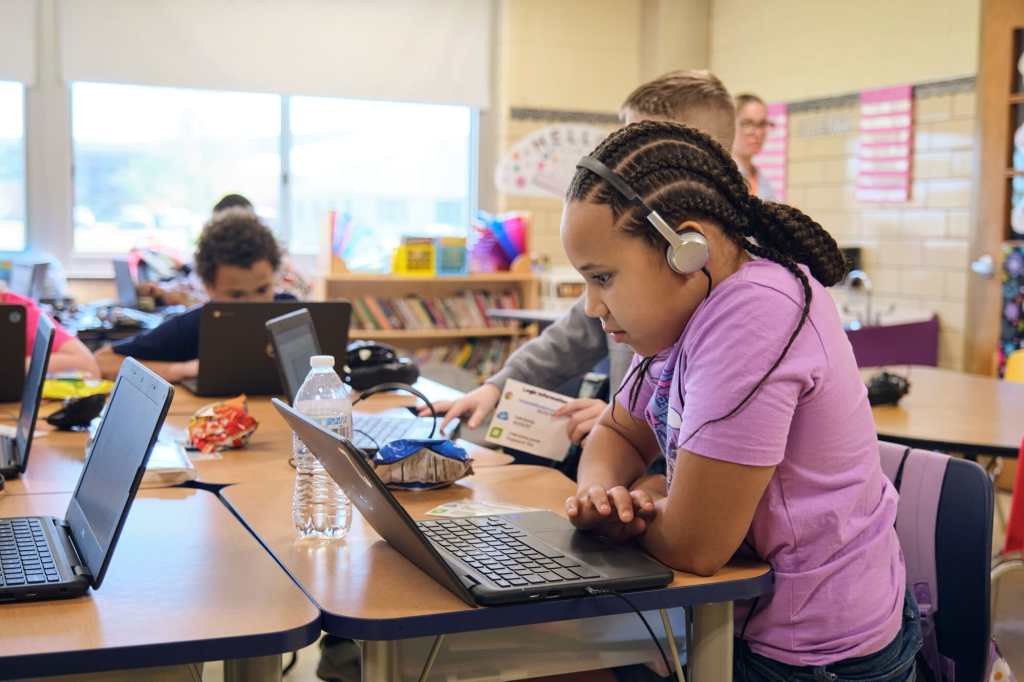
Early learners thrive in environments that are engaging and interactive. i-Ready’s digital platform offers an interactive assessment experience that captures the attention of young children. The interface is user-friendly, colorful, and designed to be appealing to young users. This engaging format not only makes testing less intimidating but also encourages students to approach the assessments with a positive attitude.
Moreover, the i-Ready platform includes various learning resources that are interactive and game-like, further promoting engagement. When students enjoy the learning process, they are more likely to participate actively and take ownership of their educational journey.
Supporting Differentiated Instruction
The data provided by i-Ready assessments supports differentiated instruction, which is crucial in classrooms with diverse learners. Teachers can use i-Ready results to group students based on their skill levels and learning needs. For instance, children who struggle with similar concepts can work together in small groups, allowing for targeted instruction and peer support.
This differentiation ensures that all students receive instruction that is appropriate for their level, preventing frustration for those who find the material too challenging or boredom for those who are ready for more advanced work. By addressing individual learning needs, educators can create an inclusive environment where every child has the opportunity to succeed.
Involving Families in the Learning Process
i-Ready assessments also foster collaboration between educators and families. Teachers can share assessment results with parents, providing them with insights into their child’s strengths and areas for improvement. This transparency encourages families to become active partners in their child’s education.
When parents understand their child’s performance and the specific skills they are working on, they can support learning at home. For example, a parent can engage their child in fun reading activities or math games that reinforce the skills identified in the i-Ready assessment.
Conclusion
The i-Ready assessment system stands out as an effective tool for early learners, providing valuable insights that enable educators to support each child’s unique learning journey. With its adaptive format, comprehensive skill assessment, and emphasis on early intervention, i-Ready empowers teachers to identify learning gaps and tailor instruction accordingly.
By fostering a growth mindset and engaging students in a dynamic learning environment, i-Ready not only enhances academic performance but also promotes a love for learning. As education continues to evolve, tools like i-Ready are essential for ensuring that all students, especially early learners, receive the personalized support they need to thrive. By embracing the capabilities of i-Ready, educators can unlock the potential of every child, setting them on a path toward lifelong learning and success. Check more information about i-ready diagnostic scores by grade pdf.
 iReady Diagnostic Scores By Grade 2025